Spring Flower Clipart and Tulip Clipart: A Versatile Tool for Creative Projects
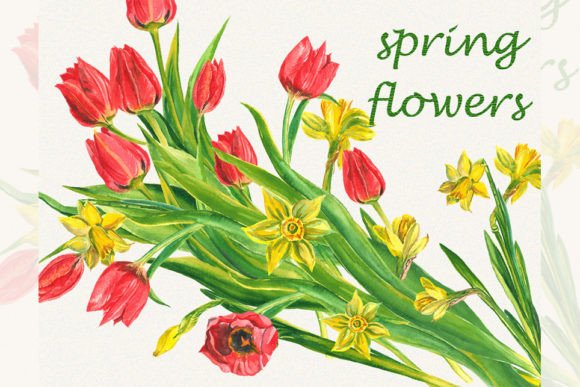
Whether you're a seasoned artist or just starting out with your creative journey, Spring Flower Clipart and Tulip Clipart can be a valuable addition to your toolkit. These high-quality, hand-painted watercolor designs are not only visually appealing but also incredibly versatile. From decoupage and scrapbooking to wedding invitations and home decor, these cliparts offer endless possibilities for personal and professional use.
The beauty of these hand-painted watercolor cliparts lies in their detail and authenticity. Each design is crafted with care, ensuring that they bring a touch of elegance and charm to any project. The 300 dpi resolution and transparent background make them ideal for digital and print applications alike, providing crisp clarity and seamless integration into various media.
Why Choose Spring Flower Clipart and Tulip Clipart?
Spring Flower Clipart and Tulip Clipart are more than just decorative elements—they are functional tools that enhance the visual appeal of your work. Here’s why they stand out:
- Versatility: They can be used on paper, postcards, tags, wrapping paper, packaging, labels, business cards, and more.
- High Quality: Each file is provided as a PNG in a zip archive, ensuring easy access and usability.
- Customization: With a transparent background, they can be easily layered over other designs without compromising quality.
- Professional Results: Whether you're designing for personal use or commercial purposes, these cliparts deliver a polished look.
However, there are some common pitfalls that people often overlook when choosing and using these cliparts. Understanding these mistakes can help you avoid unnecessary frustration and ensure the best possible outcome for your projects.
Common Mistakes When Using Spring Flower Clipart and Tulip Clipart
Many users assume that all cliparts are created equal, but this isn’t always the case. Here are a few common mistakes that can affect the final result:
Mistake 1: Ignoring Resolution Requirements
While the standard files come at 300 dpi, some projects may require higher resolution, such as large-scale prints or detailed illustrations. If you need a larger size—like 600 dpi—it's important to communicate this before downloading the files. Failing to do so could lead to blurry or pixelated images when printed at larger sizes.
Better Approach: Always check the intended use of the clipart before downloading. If you need a higher resolution, reach out to the creator to request it. This ensures that your final product looks sharp and professional.
Mistake 2: Not Considering Background Compatibility
Even though the clipart comes with a transparent background, it’s crucial to consider how it will look against different colors or textures. Some backgrounds may clash with the soft, pastel tones of the watercolor designs, making them less effective.
Better Approach: Test the clipart on different backgrounds before finalizing your project. This helps you identify any potential issues and adjust accordingly.
Mistake 3: Overlooking File Format Limitations
While PNG files are excellent for transparency and quality, they may not be suitable for every application. For instance, if you’re working with vector-based software or need scalable graphics, you might find limitations with raster-based PNGs.
Better Approach: Be aware of the file format and its compatibility with your design tools. If needed, convert the files to a compatible format or choose clipart that offers vector options.
How to Maximize the Use of Spring Flower Clipart and Tulip Clipart
To get the most out of your Spring Flower Clipart and Tulip Clipart, consider the following tips:
- Plan Your Project: Before downloading any clipart, outline your project’s requirements. This includes the size, color scheme, and medium (digital or print).
- Experiment with Layouts: Try different placements and combinations of the clipart to see what works best for your design. Sometimes, a small adjustment can make a big difference.
- Stay Organized: Keep your clipart files organized in folders by project or category. This makes it easier to find and reuse them in the future.
- Seek Feedback: If you're unsure about the final look, ask for feedback from others. A fresh perspective can highlight areas for improvement that you might have missed.
By taking these steps, you can ensure that your projects not only look great but also meet your specific needs and goals.
Final Thoughts
Spring Flower Clipart and Tulip Clipart are powerful tools that can elevate your creative projects. Whether you're designing for personal use or professional clients, understanding the nuances of these cliparts can help you avoid common mistakes and achieve outstanding results. Always consider the resolution, background compatibility, and file format when selecting and using these designs. With the right approach, you can transform your ideas into beautiful, professional-looking creations.