Photo Clipping Masks and Portrait Masks: Strategic Tools for Creative and Professional Projects
Photo Clipping Masks and Portrait Masks are powerful tools that enable designers, photographers, and creators to elevate their visual content with precision and artistry. These techniques allow for the seamless integration of images into custom shapes, frames, or textures, making them essential for a wide range of applications from digital art to marketing materials. Whether you're an entrepreneur building your brand identity, a blogger enhancing your content, or a hobbyist experimenting with new creative formats, understanding how to use Photo Clipping Masks and Portrait Masks can significantly enhance your workflow and outcomes.
What Are Photo Clipping Masks and Portrait Masks?
At their core, Photo Clipping Masks are a technique used in graphic design and photo editing software to apply one image to the shape of another. This allows for the creation of visually striking compositions where the original image is clipped to the shape of a mask layer. When it comes to Portrait Masks, the focus is on isolating and manipulating the human figure within an image, often using layers and transparency to create unique effects.
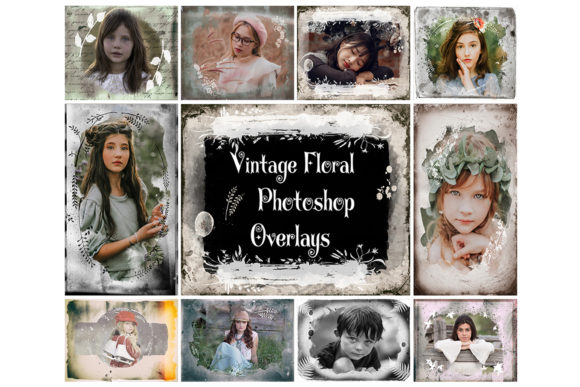
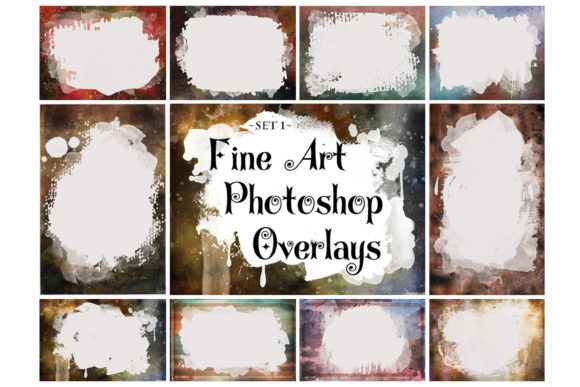
These masks are particularly useful when working with fine art frame photo overlays that feature transparent areas designed to showcase your photograph. The overlays typically come in high-resolution PNG files (300 dpi) with resolutions up to 4000x6000 pixels, ensuring clarity and quality even when printed. They are compatible with most design software including Photoshop, Photoshop Elements, GIMP, and others that support layered editing.
Strategic Use of Photo Clipping Masks and Portrait Masks
The strategic use of these tools goes beyond aesthetics; it's about aligning visual elements with broader goals such as branding, communication, and creativity. For example, a small business owner looking to create a cohesive brand identity can use portrait masks to ensure all promotional materials maintain a consistent look and feel. Similarly, marketers can leverage clipping masks to create eye-catching social media posts or email headers that stand out in crowded feeds.
Considerations: Before applying a clipping mask or portrait mask, it's important to define your objective. Are you aiming to highlight a product? Create a mood? Establish a brand aesthetic? Understanding your goal will guide your choice of overlay and help avoid unnecessary complexity.
Practical Applications and Use Cases
Photo Clipping Masks and Portrait Masks are incredibly versatile and can be applied across various industries and projects:
- Photography: Enhance portraits by adding artistic borders or textures that complement the subject’s features.
- Marketing: Design professional-looking invitations, flyers, and brochures with unique framing that reflects your brand personality.
- Art and Design: Create mixed media collages or digital art pieces with layered textures and effects.
- Web Development: Incorporate visually appealing backgrounds and frames into websites or blogs without compromising load times.
- Print Media: Prepare high-quality prints for posters, business cards, or CD/DVD covers that stand out in both digital and physical formats.
For instance, a wedding photographer might use a fine art frame overlay with a transparent area to create a vintage-style portrait that feels both modern and nostalgic. Meanwhile, a digital planner designer could apply multiple transparent overlays to add depth and texture to calendar pages without overwhelming the layout.
How to Approach Using Photo Clipping Masks and Portrait Masks
Using these tools effectively requires a thoughtful approach. Here are some steps to consider:
- Choose the Right Overlay: Select an overlay that complements the subject of your photo. Consider the color palette, texture, and style to ensure harmony between the image and the mask.
- Adjust Transparency and Color: Experiment with adjusting the opacity and color balance of the overlay to achieve the desired effect. Subtle changes can make a significant difference in the final outcome.
- Layer Management: Work with layers to maintain flexibility. If you’re using multiple overlays, organize them logically so you can tweak individual elements without affecting the rest of the composition.
- Test Across Devices: Ensure that your final design looks good on different screens and print mediums. Keep in mind that colors may vary depending on the monitor, printer, or paper used.
Risks and Considerations
While Photo Clipping Masks and Portrait Masks offer great creative potential, there are risks if they are used without clear goals or context. Overusing overlays can lead to cluttered designs that distract rather than enhance the message. Additionally, poor layer management can result in file bloat or technical issues when exporting or printing.
To avoid these pitfalls, always start with a clear vision and purpose. Ask yourself: What am I trying to communicate? Who is my audience? How will this design be used? These questions can help you make more intentional choices and avoid random experimentation that may not yield the best results.
Long-Term Value and Planning Tips
Incorporating Photo Clipping Masks and Portrait Masks into your workflow can provide long-term value by streamlining design processes and enabling consistent visual storytelling. For professionals, this means creating a recognizable brand identity across all platforms. For hobbyists, it opens up new avenues for creative expression and personal growth.
Planning Tip: Build a library of overlays and masks that align with your project themes. This can save time and ensure consistency across multiple outputs. Also, invest in learning the basics of layer management and transparency adjustments to maximize the utility of these tools.
Ultimately, the key to success lies in balancing creativity with strategy. By understanding the purpose behind each design decision and leveraging the right tools, you can create compelling visuals that resonate with your audience and support your broader objectives.